 Chinese
 España
 Italia
 Le français
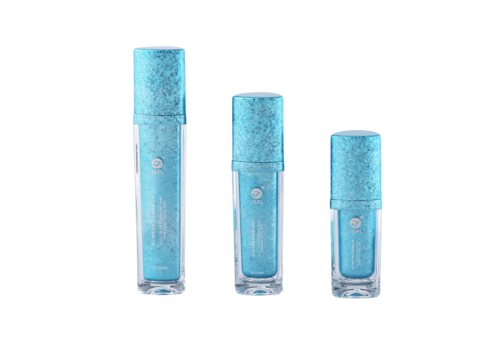
Complexity of Ice Crackle Structures and Polishing Uniformity
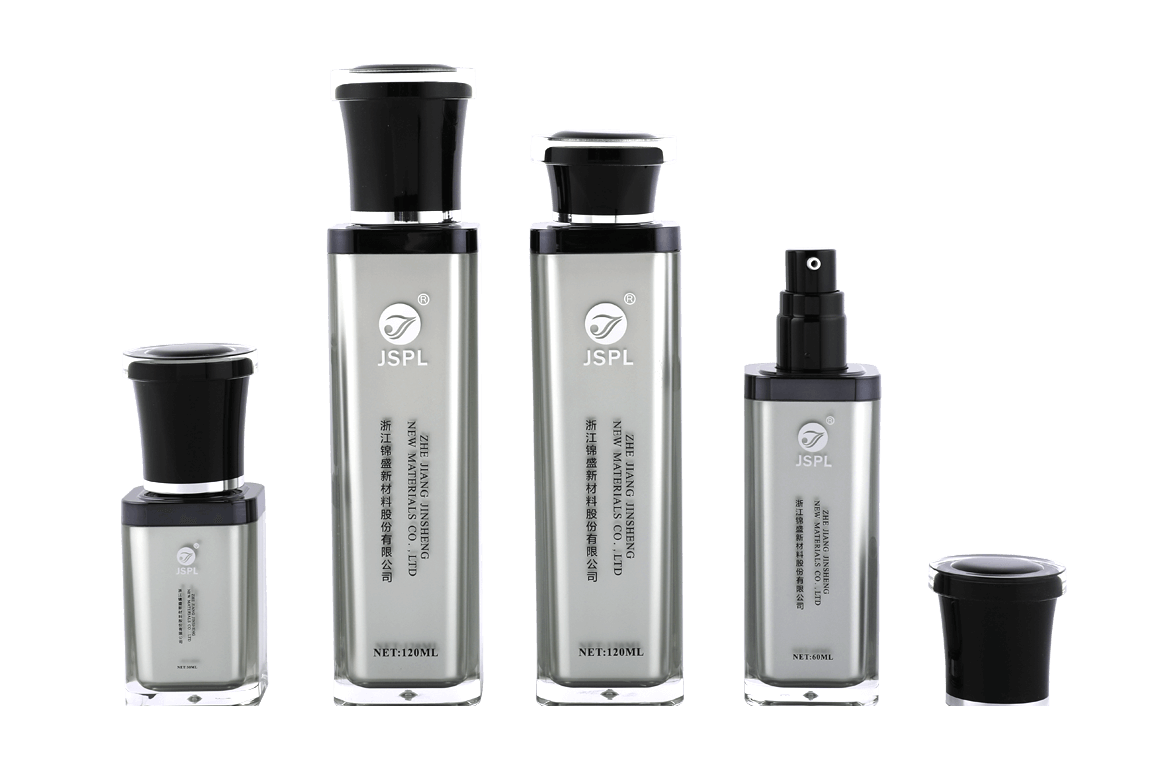
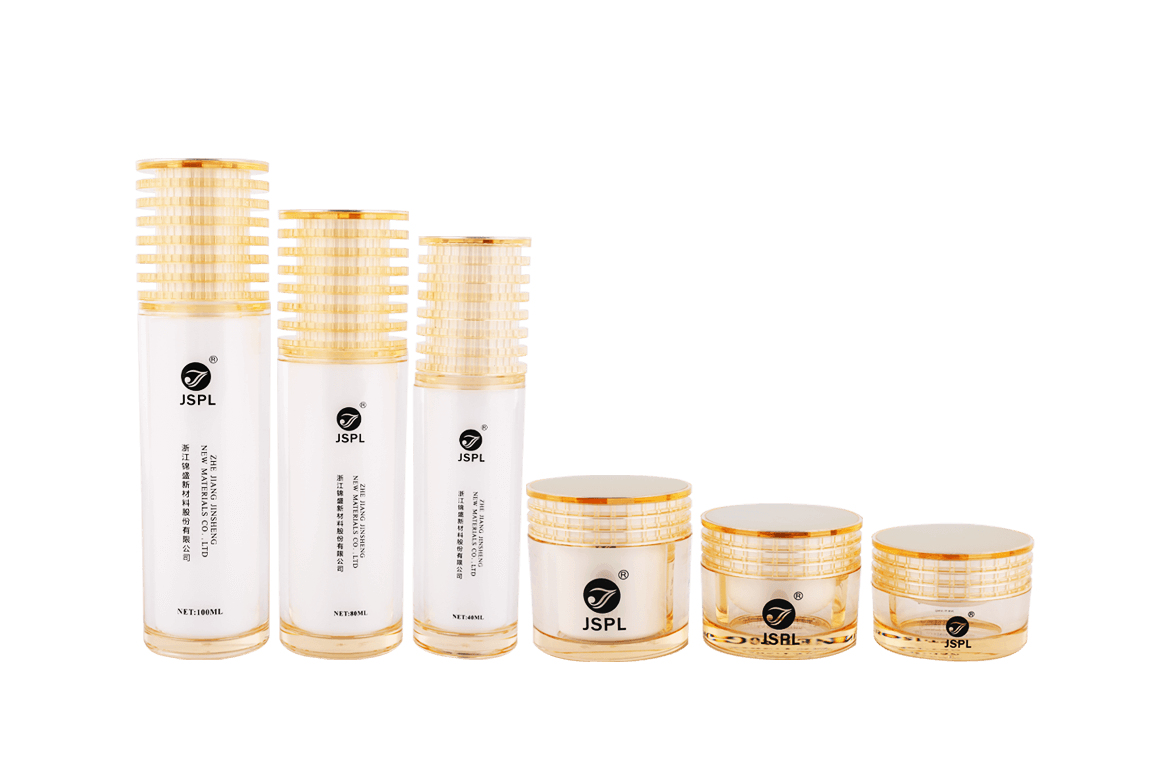
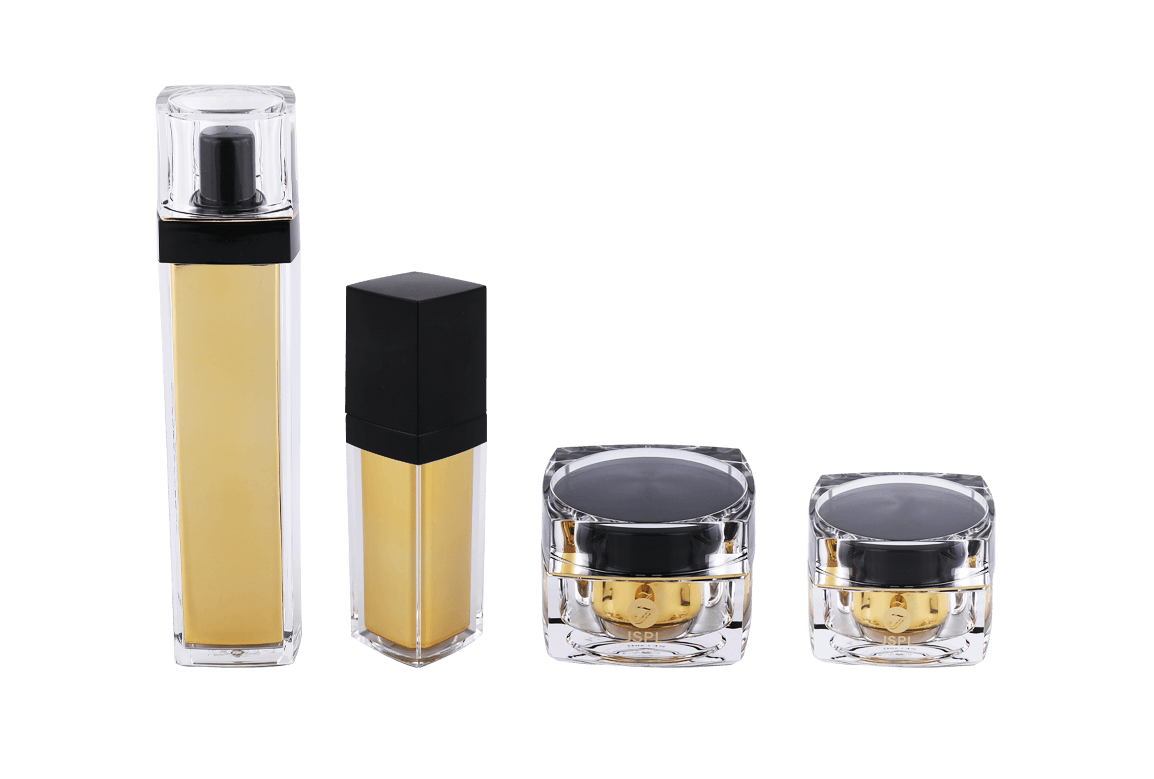
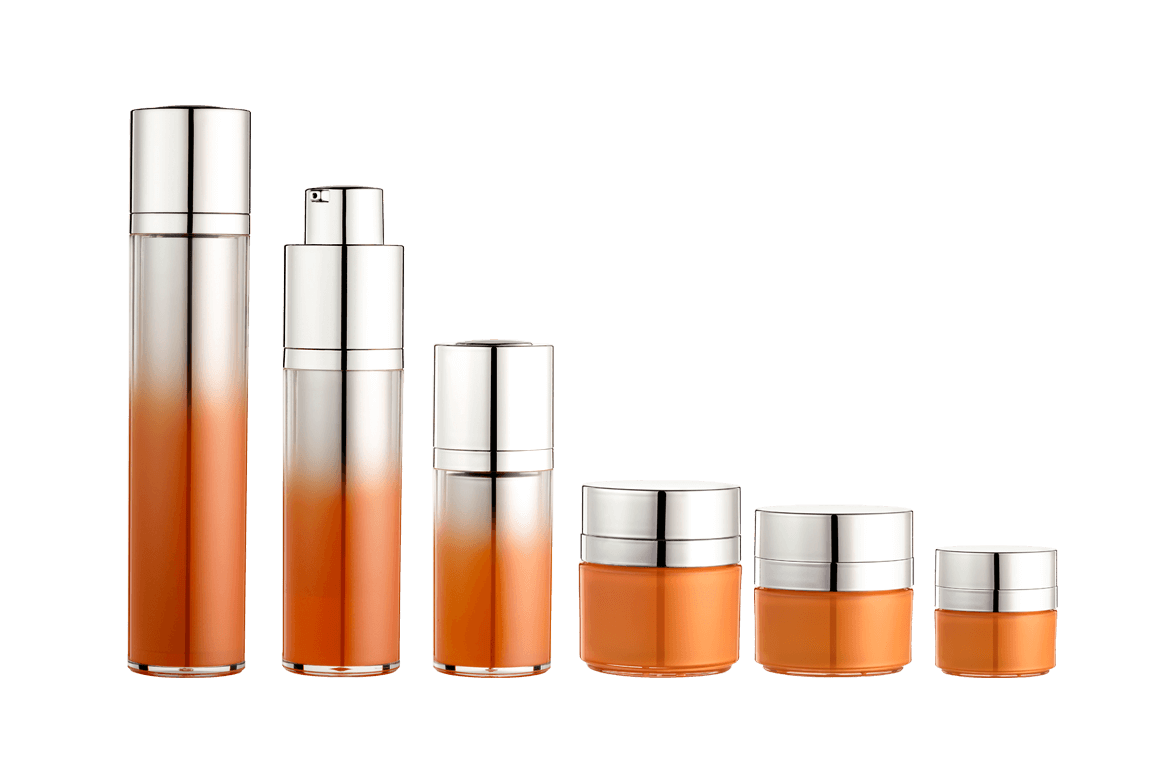
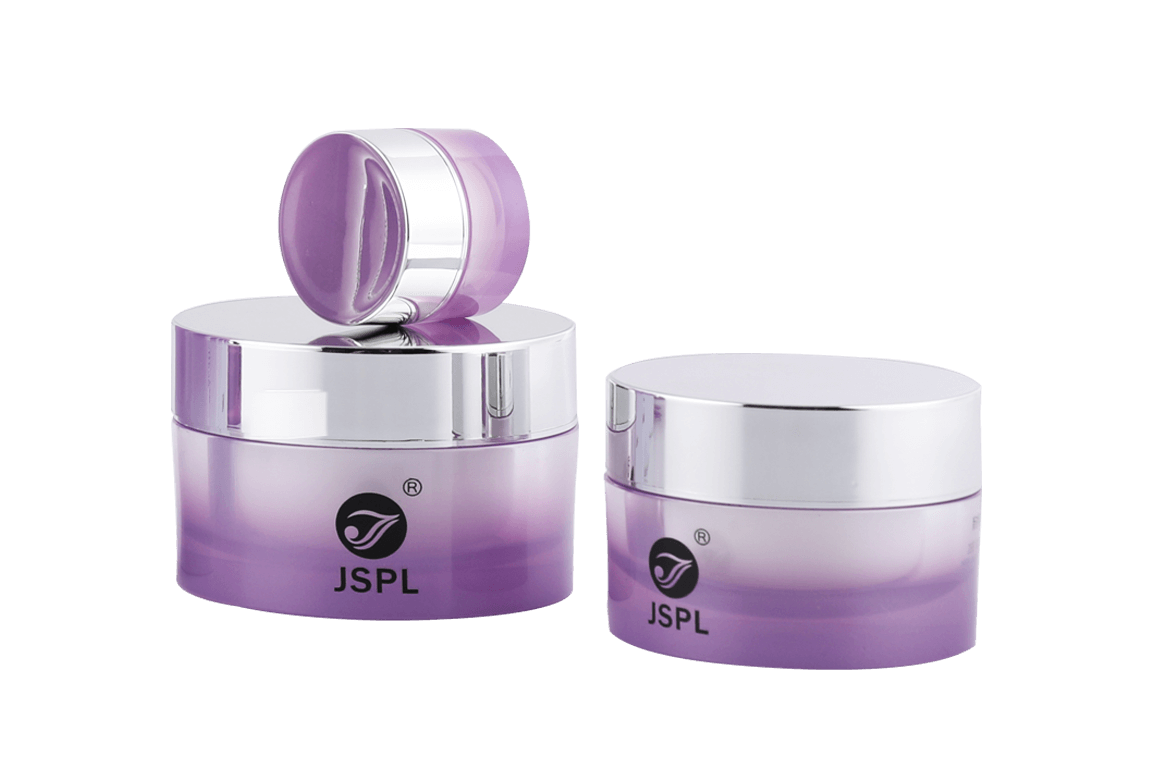
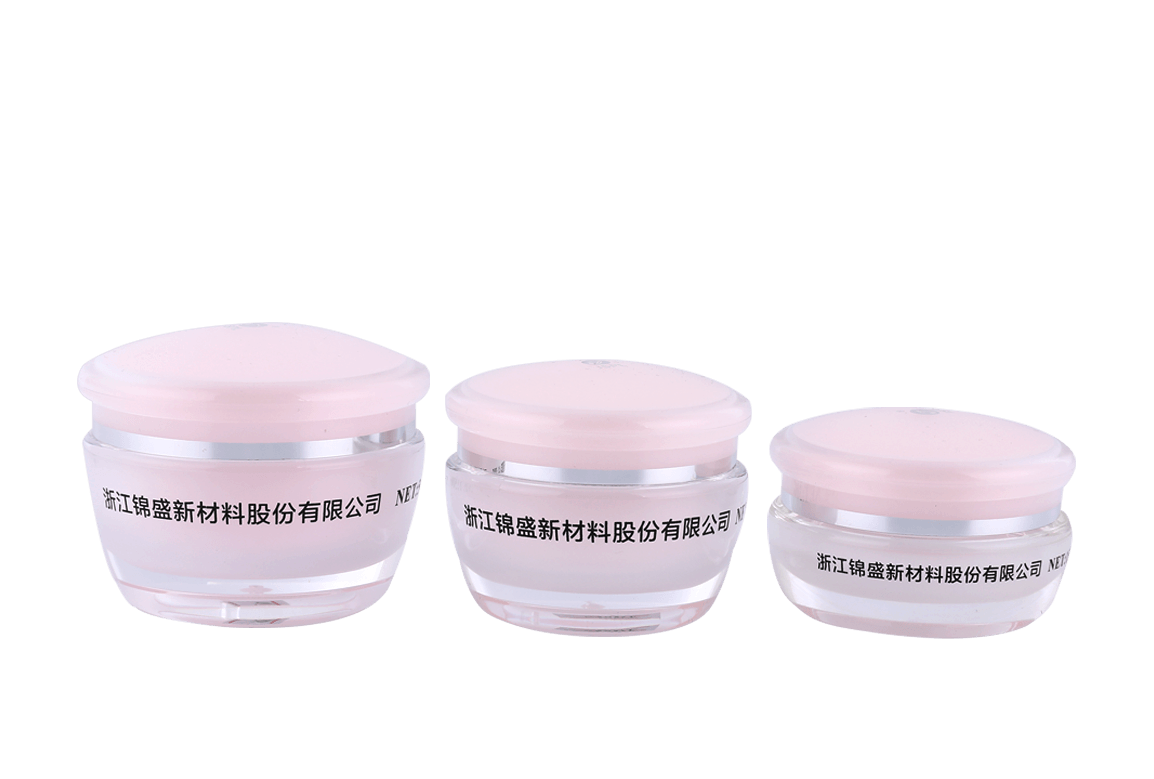
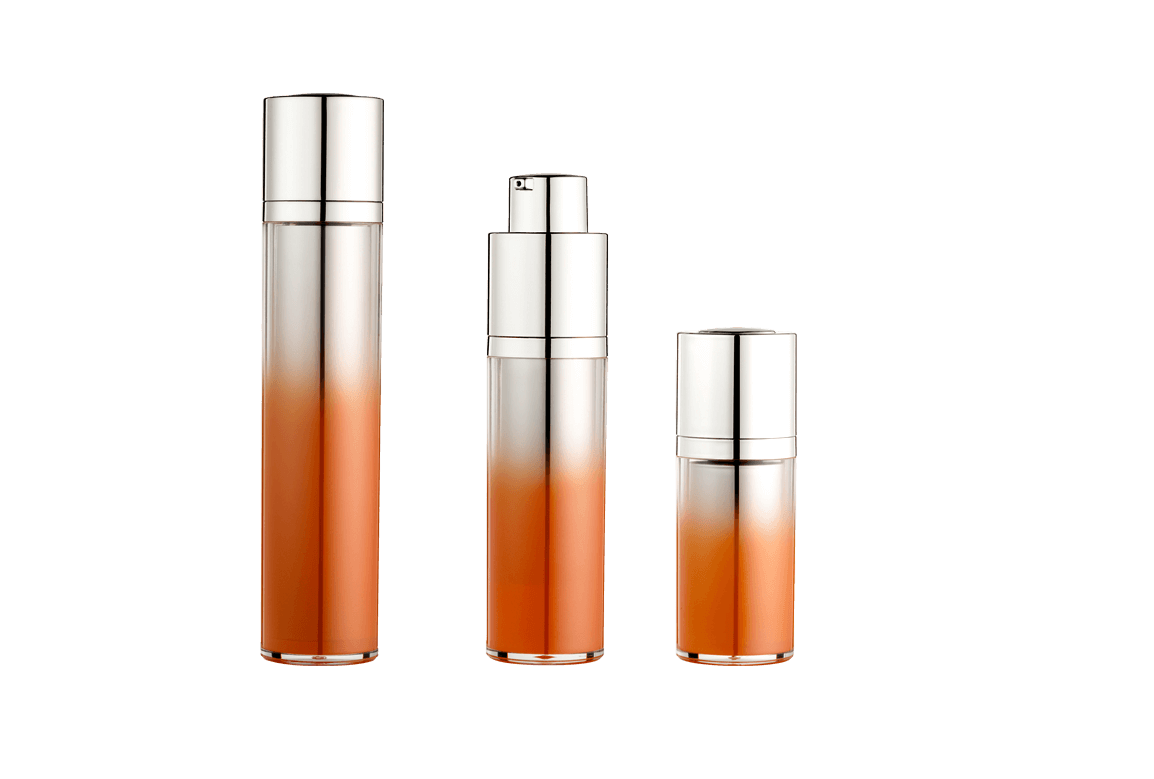
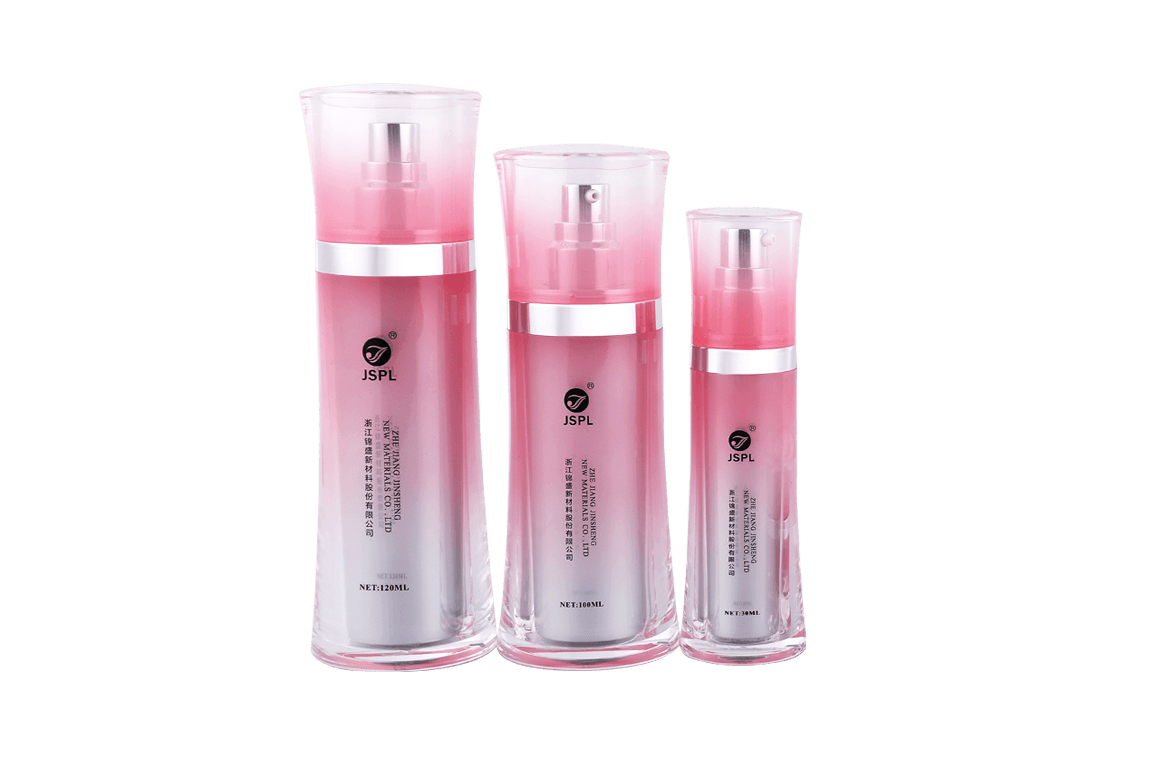
Acrylic Ice Crackle Lotion Bottles feature irregular crackle patterns formed within the acrylic material, creating a multi-layered visual structure. Unlike standard smooth acrylic surfaces, the ice crackle effect introduces uneven micro-contours and internal reflective angles. During polishing, maintaining uniform pressure across these complex surfaces is technically demanding. Excessive polishing in raised areas may flatten the crackle texture, while insufficient polishing in recessed zones can leave haze or dull spots, resulting in inconsistent surface quality.
Variations in Crackle Depth and Surface Consistency
Ice crackle patterns inherently vary in depth and density across the bottle surface. These variations create differences in local material thickness and stress distribution. Polishing parameters that work effectively for shallow crackle areas may be insufficient for deeper crackle zones. Achieving consistent gloss and transparency across the entire bottle surface becomes challenging, especially in high-clarity acrylic where even minor inconsistencies are visually amplified.
High Transparency Acrylic and Defect Amplification
Acrylic Ice Crackle Lotion Bottles typically use high-transparency PMMA materials. Such materials magnify surface defects, including micro-scratches, swirl marks, and polishing trails. The optical clarity that enhances the ice crackle aesthetic also increases sensitivity to surface imperfections. Any polishing defect disrupts light refraction through the crackle layers, reducing depth perception and diminishing the premium visual effect expected in high-end cosmetic packaging.
Heat Generation and Crackle Stability
Polishing acrylic surfaces generates frictional heat, which poses a significant risk to ice crackle structures. Localized heat accumulation can alter internal stress distributions within the PMMA, potentially causing crackle expansion, whitening, or deformation. Excessive heat may also soften surface layers, leading to distortion of crackle edges. Strict control of polishing speed, pressure, and cooling conditions is required to preserve crackle integrity throughout the surface treatment process.
Double-Wall Construction Constraints
Many Acrylic Ice Crackle Lotion Bottles adopt a double-wall design, consisting of an inner functional container and an outer decorative crackle shell. Polishing operations target only the outer shell, yet mechanical pressure and thermal energy can transmit to the inner structure. Improper process control may induce interlayer stress, leading to delamination, air marks, or localized warping. These risks impose additional limitations on polishing force and equipment selection.
Micro-Crack Sensitivity at Crackle Edges
Ice crackle effects rely on controlled micro-cracks within the acrylic structure. The edges of these crackles are mechanically weaker than solid acrylic surfaces. During polishing, aggressive abrasives or overly rigid polishing wheels can cause micro-crack propagation along crackle boundaries. Such damage may not be immediately visible but can compromise long-term durability during transportation or consumer use.
Balancing Surface Gloss and Crackle Definition
Polishing aims to enhance surface gloss while preserving the three-dimensional crackle appearance. Excessive polishing reduces the contrast between crackle boundaries and surrounding acrylic, flattening the visual depth of the pattern. Insufficient polishing leaves residual haze that interferes with light transmission. Achieving the optimal balance between high gloss and preserved crackle definition requires precise control over abrasive grades, polishing duration, and surface contact geometry.
Visual Consistency in Mass Production
In batch production, Acrylic Ice Crackle Lotion Bottles undergo polishing across multiple stations, operators, and equipment. Slight variations in technique, tool wear, or environmental conditions can lead to noticeable differences in gloss level, transparency, and crackle visibility. Maintaining consistent surface appearance across large production volumes demands strict process standardization and experienced manual intervention.
Challenges in Surface Preparation for Secondary Finishing
Many ice crackle acrylic bottles require additional surface treatments such as spray coating, vacuum metallization, or partial coloring. Highly polished acrylic surfaces may exhibit reduced coating adhesion, while crackle structures introduce micro-cavities that can trap air or contaminants. Surface activation processes must be carefully calibrated to avoid damaging the polished finish or altering crackle clarity, while still ensuring stable coating performance.
Residue Retention in Crackle Structures
The irregular geometry of ice crackle surfaces increases the likelihood of polishing compound residue remaining within micro-gaps and crackle intersections. In high-transparency acrylic, even trace residues become highly visible under light. Thorough cleaning processes are essential but difficult to execute without introducing moisture marks or chemical stress, adding further complexity to surface finishing operations.
Limitations on Automation and Production Efficiency
Polishing and surface treatment of Acrylic Ice Crackle Lotion Bottles rely heavily on skilled manual operations due to the complexity of crackle patterns. Automated polishing systems struggle to adapt to random crackle geometries without compromising surface quality. This reliance on manual craftsmanship limits production speed and increases processing time per unit, posing challenges for cost control in large-scale manufacturing.
Impact of Surface Treatment Quality on Market Positioning
Surface finishing quality plays a decisive role in the perceived value of Acrylic Ice Crackle Lotion Bottles. Any surface defect is magnified by the optical properties of the crackle structure and high-clarity acrylic. Superior polishing and surface treatment distinguish premium ice crackle packaging from conventional acrylic containers. The technical difficulty of achieving flawless surfaces contributes directly to the high-end positioning and added value of this packaging category.
Technical Significance in Premium Cosmetic Packaging
The polishing and surface treatment challenges associated with Acrylic Ice Crackle Lotion Bottles stem from the combination of complex internal crackle structures, high optical transparency, and elevated aesthetic expectations. Mastery of these processes represents a critical technical capability within the cosmetic packaging industry, reinforcing the uniqueness and professional value of ice crackle acrylic lotion bottles in luxury skincare and cosmetic applications.