 Chinese
 España
 Italia
 Le français
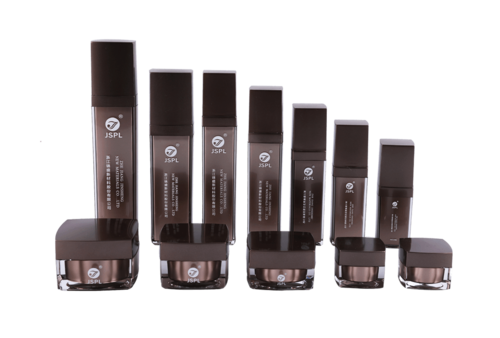
The temperature resistance of a cosmetic bottle suit directly affects packaging stability, filling adaptability, transportation safety, and long-term product preservation. Different materials exhibit distinct thermal properties under high and low temperature conditions. Evaluating the temperature resistance range requires consideration of material composition, manufacturing processes, wall thickness, and intended application. Understanding these parameters helps brands select suitable packaging solutions that enhance product quality and consumer experience.
Temperature Resistance of PET Bottle Bodies
PET is widely used for toners, sprayers, makeup removers, and lightweight lotion products. PET begins to soften when exposed to temperatures around 60°C, and prolonged heat may lead to deformation, shrinkage, or reduced clarity. The practical temperature resistance range of PET bottle bodies is typically -20°C to 60°C. Extremely low temperatures may increase brittleness, raising the risk of cracking under impact. High-temperature filling should be avoided to maintain structural stability.
Temperature Resistance of PETG Bottle Bodies
PETG offers improved toughness and clarity compared to standard PET, making it suitable for premium cosmetic bottle suits, especially those featuring thick-wall designs. PETG maintains reliable performance within -10°C to 70°C. Its structural tolerance at elevated temperatures is stronger than PET, yet PETG still cannot withstand steam sterilization or high-temperature filling processes. Exposure to temperatures above 70°C may cause softening, warping, or whitening of the material.
Temperature Resistance of PP Bottle Bodies
PP is valued for high heat resistance, chemical resistance, and structural stability. It is commonly used for creams, cleansers, and corrosive formulations. PP bottle bodies generally operate within -20°C to 100°C, and certain high-crystallinity PP grades may reach approximately 110°C. PP packaging supports warm-filling processes required for specific formulations. The material maintains good impact resistance even at low temperatures, reducing the likelihood of cracking.
Temperature Resistance of HDPE Bottle Bodies
HDPE provides excellent durability, chemical resistance, and environmental tolerance. It is frequently used in body care, hair care, cleansing products, and large-capacity cosmetic bottle suits. The practical temperature resistance range of HDPE is about -40°C to 90°C. HDPE softens at higher temperatures but remains structurally stable. Its low-temperature performance is strong, enabling safe use in cold-chain transportation or extreme winter conditions. Thicker bottle walls further improve heat tolerance.
Temperature Resistance of PMMA (Acrylic) Bottle Bodies
Acrylic bottles are widely used in premium packaging due to their high transparency and visual aesthetics. Acrylic has a more limited thermal tolerance, generally within -10°C to 70°C. Exposure to high temperatures may induce internal stress, resulting in cracks, deformation, or reduced clarity. Low temperatures increase brittleness, making acrylic better suited for room-temperature skincare products. Acrylic bottles are not compatible with warm filling or cold-storage distribution.
Temperature Resistance of Glass Bottle Bodies
Glass provides superior barrier properties, chemical stability, and thermal durability. Standard cosmetic glass bottles withstand -20°C to 120°C, with borosilicate glass supporting even wider temperature variations. Glass maintains excellent stability during hot filling processes and resists chemical interactions. Low temperatures do not significantly weaken glass, though rapid temperature changes may induce thermal shock. Overall, glass offers the broadest temperature resistance range among common cosmetic packaging materials.
Temperature Resistance of Airless Bottle Structures
Airless bottle suits consist of outer housings, inner containers, pistons, and pump assemblies. Temperature resistance depends mainly on the inner container material. Common materials include PP, PETG, and PE. PP inner containers withstand temperatures up to 100°C, while PETG inner containers maintain stability up to approximately 70°C. Pump components such as springs, seals, and valves also influence the overall thermal tolerance, requiring integrated evaluation for accurate assessment.
Relationship Between Wall Thickness and Temperature Resistance
Wall thickness significantly impacts temperature performance. Thicker bottle walls withstand thermal expansion and contraction more effectively, reducing the risk of warping under temperature fluctuations. Thick-wall designs commonly seen in luxury cosmetic bottle suits provide enhanced hot and cold resistance. Thin-walled structures are more susceptible to deformation, shrinkage, or bulging under extreme temperatures, making material and thickness selection essential during development.
Effect of Filling Conditions on Practical Temperature Requirements
Certain cosmetic formulations require elevated filling temperatures to maintain fluidity or to ensure proper homogenization. The bottle material must match the thermal requirements of the filling process. Oil-based or gel systems may involve higher temperatures, increasing the importance of selecting a suitable bottle suit with an appropriate thermal range. Accurate temperature resistance data allows brands to align packaging with production processes effectively.
Temperature-Related Risks in Transportation and Storage
Transport environments vary widely across regions and seasons. High-temperature warehousing, cold-chain logistics, and seasonal climate differences impose thermal stress on cosmetic packaging. Materials exposed to extreme temperatures may deform, crack, or lose sealing integrity. Glass, PP, and HDPE demonstrate higher stability in fluctuating environments, reducing transportation-related risks. Knowledge of material temperature resistance helps ensure product safety during global distribution.